
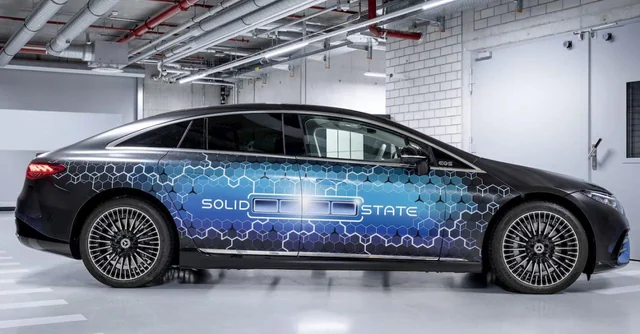
The electric vehicle landscape just shifted. In a historic milestone for 2026, the joint venture between Toyota and QuantumScape has demonstrated a solid-state EV battery breakthrough, achieving an 800-mile real-world range on a single charge.
This isn’t just an incremental update; it’s a fundamental transformation. By replacing the traditional liquid electrolyte with a proprietary solid ceramic material, they’ve created a battery that is lighter, safer, and significantly more energy-dense than the lithium-ion standards currently on the road.
Why This Changes Everything
The specs on this breakthrough address the final hurdles of solid-state EV battery breakthrough adoption:
- 800-Mile Range: Genuine long-distance capability that effectively doubles the range of today’s top-tier EVs.
- Ultra-Fast Charging: Reaches an 80% charge in under 12 minutes, finally matching the convenience of a traditional gas station stop.
- Extreme Durability: Stable operation in punishing climates, from -40°F to 140°F, without the degradation seen in liquid-based cells.
- Production Roadmap: With QuantumScape’s “Eagle Line” now in pilot production, these cells are on track to enter production vehicles by 2028.
The Ripple Effect: Can Tesla Keep Up?
Industry analysts are calling this the most significant leap in battery tech since the 1990s. Naturally, all eyes are on Tesla.
While Tesla continues to lead the global market in deliveries this year, their strategy remains fixed on optimizing the lithium-ion systems they’ve already mastered. They appear to be playing a game of scale—waiting for solid-state technology to become cost-effective before pivoting. The question for 2026 is simple: Can Tesla’s efficiency keep them ahead, or will Toyota’s 800-mile “Holy Grail” end Tesla’s dominance when it hits the mass market?
The “million-mile battery” was once the goal, but the 800-mile charge might be the breakthrough that finally ends the internal combustion era for good.